LinkedIn Marketing Web or Social Banner: A Strategic Design Solution for Celebrating Milestones
In the competitive landscape of digital networking, visual communication serves as the primary hook for engagement. A LinkedIn Marketing Web or Social Banner is more than a decorative element; it is a strategic asset that defines the professional identity of an individual or brand. Specifically, when designed as a 3D rendering illustration on a transparent background, this asset offers unparalleled versatility for celebrating significant achievements, such as reaching a large number of subscribers or followers.
This article explores the nuances of utilizing these high-fidelity designs across various platforms. We will examine how they compare to traditional static graphics, evaluate their practical applications for web templates and blogger themes, and discuss the decision factors involved in choosing this specific design format for your social media strategy.
Distinguishing Features of Modern Social Banners
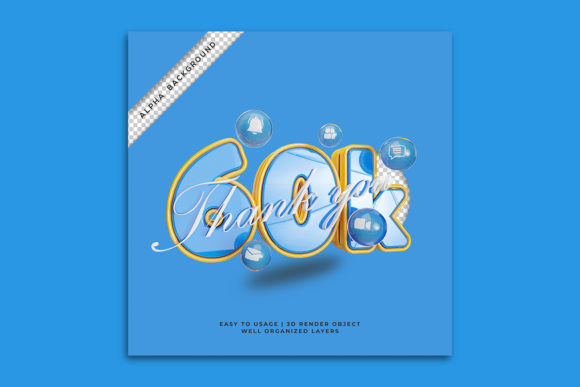
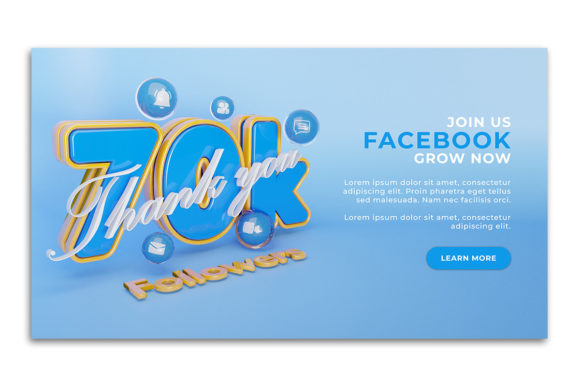
The core distinction of a LinkedIn Marketing Web or Social Banner lies in its adaptability and depth. Unlike flat vector illustrations or standard JPEGs, a 3D rendering design introduces dimensionality, lighting effects, and texture. When rendered with a transparent background, the image becomes a floating element that can be layered seamlessly over any color scheme, gradient, or existing website layout without creating awkward white boxes or mismatched edges.
This transparency is crucial for modern web design, where consistency is key. Whether placed on a dark-themed portfolio or a light-colored corporate blog, the banner maintains its integrity. The "celebration" aspect of the design—often featuring icons representing growth, trophies, or rising graphs—is crafted to evoke positive emotions. It transforms a simple metric, like a subscriber count, into a tangible achievement that resonates with visitors.
For professionals aged 20 to 50 who are actively managing their online presence, the ability to customize this banner is a significant advantage. The design is intended to be easy to use and edit, allowing users to update text overlays or swap out specific 3D elements to reflect new milestones without needing advanced graphic design skills.
Comparing Design Approaches: 3D Render vs. Traditional Graphics
When evaluating resources for social media promotion, professionals often weigh the benefits of 3D renderings against traditional 2D assets. Understanding the tradeoffs between these formats helps in selecting the right tool for specific marketing goals.
- Visual Impact: A 3D rendering design captures attention more effectively than flat imagery. In a feed dominated by text and standard photos, the subtle shadows and highlights of a 3D object create a focal point that encourages users to pause and engage.
- Versatility Across Platforms: Traditional banners often require resizing and cropping for different platforms (e.g., LinkedIn profile vs. Twitter header). A 3D render on a transparent background acts as a modular component. It can be scaled up for a hero section on a website or shrunk down for a social post without losing resolution or looking pixelated.
- Editing Flexibility: Static images are rigid. Once published, changing the message requires replacing the entire file. With a template-based 3D design, users can easily edit the accompanying text or adjust the composition while retaining the high-quality visual core.
However, this approach does come with limitations. 3D files can be larger in size compared to simple PNGs, potentially affecting page load speeds if not optimized correctly. Additionally, the aesthetic of a 3D render may not suit every brand voice; minimalist brands might prefer clean typography over complex illustrations. The choice ultimately depends on whether the goal is to project innovation and dynamism or strict minimalism.
Ideal Use Cases for Web and Blogger Templates
The utility of a LinkedIn Marketing Web or Social Banner extends beyond social profiles. Its application in web development and blogging is particularly robust. For bloggers, reaching a milestone in subscriber count is a pivotal moment that warrants celebration. Integrating a 3D illustration into a blog post or a dedicated landing page signals credibility and success.
Consider a scenario where a content creator has reached 10,000 followers. Instead of a generic text announcement, they utilize the banner design as a centerpiece. Because the background is transparent, the designer can place the 3D illustration directly onto a custom gradient background that matches the site's branding. This creates a cohesive look that feels native to the website rather than like an imported sticker.
Furthermore, this design style is highly effective for email newsletters. When sent to a list of subscribers, a visually rich banner increases open rates and click-through rates. The celebratory nature of the image fosters a sense of community and shared success, encouraging recipients to share the news further.
For web developers building templates, providing clients with editable 3D assets adds value. It allows the end-user to quickly refresh their site's look without hiring a designer. The ease of editing ensures that the content remains current, which is essential for maintaining SEO relevance and user engagement over time.
Evaluating Strengths and Limitations
While the benefits of using a specialized 3D banner are clear, a balanced evaluation requires acknowledging potential downsides. The primary strength is the professional polish. High-quality 3D renders convey a level of effort and sophistication that can elevate a personal brand or business profile instantly.
Another significant advantage is the scalability. As mentioned, the transparent background allows for infinite background variations. This means one asset can serve multiple campaigns: a dark version for evening posts, a bright version for morning updates, and a branded version for official announcements.
Conversely, the limitation lies in accessibility and performance. Complex 3D images can sometimes struggle with screen readers if not properly tagged with alt text. Furthermore, if the rendering is too heavy, it may slow down mobile devices, which are increasingly the primary way users access social media. Users must ensure that the final output is compressed appropriately without sacrificing the visual quality that makes the design effective.
Additionally, there is the risk of aesthetic fatigue. 3D styles trend rapidly. What looks cutting-edge today might appear dated in two years. Professionals should consider whether the design has a timeless quality or if it relies heavily on fleeting trends. A well-designed banner with classic shapes and colors tends to age better than one relying on hyper-realistic textures that change frequently.
Making the Right Choice for Your Strategy
Deciding whether to invest in a LinkedIn Marketing Web or Social Banner with a 3D rendering depends on specific objectives. If the goal is to drive immediate traffic through a visually arresting announcement, this format is superior. It stands out in crowded feeds and provides a clear visual cue of importance.
However, if the priority is rapid loading times on low-bandwidth connections or a strictly typographic brand identity, a simpler alternative might be more appropriate. In such cases, a bold, custom font treatment on a solid color background could achieve similar results with less technical overhead.
For those comparing options, the decision matrix should focus on three factors:
- Brand Alignment: Does the 3D style reflect the personality of the brand? Is it playful, serious, innovative, or traditional?
- Technical Capacity: Do you have the tools to edit and optimize the 3D files? Can your hosting environment handle the file sizes?
- Frequency of Updates: Will you be updating this banner regularly? If so, the ease of editing provided by template-based 3D designs is a critical factor.
Ultimately, the best choice is the one that balances visual appeal with functional efficiency. A well-executed 3D banner can transform a routine follower count update into a memorable brand moment.
Conclusion on Design Selection
The evolution of social media marketing demands assets that are both visually compelling and technically flexible. A LinkedIn Marketing Web or Social Banner designed as a 3D rendering on a transparent background represents a sophisticated solution for celebrating milestones. It bridges the gap between static information and dynamic storytelling.
By understanding the strengths, tradeoffs, and ideal use cases, professionals can make informed decisions about their visual strategies. Whether used for a web template, a blogger celebration, or a direct social media post, this design type offers a powerful way to communicate success. As the digital space continues to evolve, the ability to adapt high-quality visuals to various contexts will remain a defining characteristic of successful online presence.
For those ready to elevate their subscriber celebrations, exploring these 3D design options provides a pathway to greater engagement and a more polished professional image. The key is to select an asset that aligns with long-term goals while offering the flexibility to grow alongside the audience.