Abstract Golden Geometric Modern Luxury
The visual landscape of contemporary branding and digital design is increasingly defined by the intersection of minimalism and opulence. Among the various styles available, Abstract Golden Geometric Modern Luxury has emerged as a distinct aesthetic that combines mathematical precision with rich, metallic textures. This style is characterized by intricate 3D golden geometric forms, often accented with fine lines, set against sophisticated backgrounds. It represents a specific subset of vector illustration designed to convey prestige, stability, and forward-thinking innovation.
For designers, marketers, and business owners evaluating graphic assets, understanding the nuances of this template category is essential. The following analysis explores the characteristics, practical applications, and technical specifications of high-resolution abstract golden geometric designs, helping stakeholders determine if this style aligns with their strategic goals.
Defining the Aesthetic: Geometry Meets Opulence
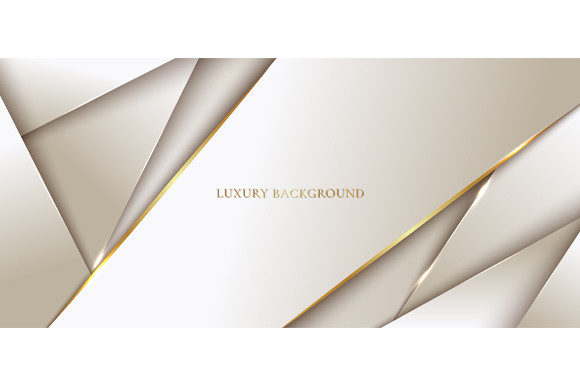
Abstract Golden Geometric Modern Luxury is not merely a decorative trend; it is a structured approach to visual communication. At its core, the style utilizes geometric primitives—triangles, hexagons, circles, and polygons—to create complex, three-dimensional structures. The defining element is the application of gold gradients and metallic finishes, which simulate light reflection and depth on a two-dimensional plane.
Unlike traditional luxury motifs that rely heavily on ornate flourishes or serif typography, this modern iteration relies on clean lines and negative space. The "line" component mentioned in many templates refers to the delicate wireframe overlays that add technical precision to the composition. This creates a duality: the solidity of the geometry suggests reliability, while the golden sheen implies exclusivity and value.
Why Choose Abstract Golden Geometric Designs?
Organizations seeking to rebrand or launch new products often look for imagery that transcends generic stock photography. There are several compelling reasons to consider this specific vector style:
- Scalability without Quality Loss: Because these graphics are 100% vector-based, they can be scaled from a small mobile icon to a massive billboard without pixelation. This is a critical advantage over raster images (like standard JPEGs) where quality degrades upon enlargement.
- Brand Versatility: The geometric nature of the design allows it to fit within corporate identities ranging from fintech startups to high-end jewelry retailers. The abstraction removes specific cultural references, making the imagery globally applicable.
- Modern Perception: The use of 3D effects combined with flat design principles signals technological sophistication. It avoids the dated look of early 2000s clip art while steering clear of overly chaotic modern trends.
- Customization Potential: Fully editable files allow users to alter color palettes, swap geometric elements, or adjust line weights to match specific brand guidelines without losing the integrity of the original artwork.
Technical Specifications and Workflow Integration
When evaluating a file for professional use, technical compatibility is just as important as visual appeal. High-quality assets in this category typically come with specific format requirements that dictate how they integrate into a production workflow.
A standard package for Abstract Golden Geometric Modern Luxury includes EPS Version 10 and JPG formats. The EPS (Encapsulated PostScript) version 10 is particularly significant for print professionals. It ensures broad compatibility with older and newer versions of industry-standard software such as Adobe Illustrator and CorelDRAW. This format preserves all layers, paths, and editing capabilities, allowing for granular control over the final output.
The inclusion of JPG files serves as a convenient preview option or a ready-to-use asset for web applications where vector manipulation is not required. Furthermore, the specification of 300dpi resolution indicates that the embedded rasters or final print outputs are optimized for high-quality printing standards, ensuring crisp edges and accurate color reproduction in physical media.
Situations Where This Style Is a Strong Fit
Determining the right context for this design style requires an honest assessment of the intended medium and audience. The Abstract Golden Geometric Modern Luxury template excels in scenarios where trust, premium status, and clarity are paramount.
Financial and Corporate Sectors: Banks, investment firms, and insurance companies often utilize this style to communicate financial growth and structural stability. The geometric shapes imply order and calculation, while the gold suggests wealth management.
Tech and Innovation Startups: Technology companies focusing on blockchain, AI, or cybersecurity may use these visuals to represent complex data structures in an elegant way. The 3D aspect adds a futuristic touch that resonates with tech-savvy audiences.
Luxury Retail and Real Estate: For brands selling high-value goods or properties, the aesthetic provides a backdrop that elevates the perceived value of the product. It frames the content as exclusive and carefully curated.
Potential Tradeoffs and Considerations
While the benefits are substantial, there are tradeoffs that decision-makers must consider before committing to this style. The primary consideration is the risk of overuse. As the popularity of gold geometric themes grows, there is a danger of the design feeling clichéd if not executed with unique variations.
Color Psychology: While gold is universally associated with luxury, it can also appear tacky if the gradient rendering is poor or if the saturation is too high. Designers must ensure the balance between the gold and the background remains subtle rather than overwhelming.
File Complexity: Files containing 100 fully editable vector objects can become computationally heavy. In some cases, opening and manipulating extremely complex EPS files in older software versions might cause performance lag. Users should ensure their hardware and software meet the necessary specifications to handle high-resolution vector work efficiently.
Accessibility: High-contrast metallic gradients can sometimes present challenges for screen readers or users with visual impairments if used as background elements for text. Careful attention must be paid to contrast ratios when overlaying text on these intricate designs.
Alternatives Worth Considering
If the Abstract Golden Geometric Modern Luxury style does not align with a brand's voice, other avenues exist. Brands aiming for a more organic, human-centric feel might prefer hand-drawn illustrations or watercolor textures. These styles convey warmth and approachability, contrasting sharply with the precision of geometric art.
Similarly, companies focused on sustainability or eco-friendliness may find the metallic gold aesthetic misaligned with their values. In these cases, natural color palettes with earth tones and organic shapes would be a more authentic choice. Additionally, if the goal is to convey speed and agility rather than stability, dynamic motion blur graphics or minimalist flat icons might offer a better solution than the structured 3D geometries.
Making the Final Decision
Selecting the right graphic asset is a strategic decision that impacts brand perception. To determine if this template is the correct choice, stakeholders should ask a few key questions. Does the brand need to project authority and permanence? Is the target audience responsive to premium aesthetics? Are the technical requirements compatible with the existing design stack?
If the answer to these questions is affirmative, the Abstract Golden Geometric Modern Luxury template offers a robust foundation. Its combination of high-resolution vectors, editable layers, and timeless yet modern composition makes it a versatile tool for professional design projects. However, success depends on thoughtful execution. The asset should be treated as a starting point, customized to reflect the unique identity of the organization rather than applied generically.
In conclusion, this design style bridges the gap between artistic expression and functional utility. By understanding its strengths, limitations, and ideal use cases, professionals can leverage these resources to create communications that are both visually striking and strategically effective.